Disclosure: I may earn a commission if you use links in this post at no extra cost to you.
Why I Compared Fetch and Pogo
I’ve tested a lot of reward and cashback apps, but Pogo and Fetch Rewards kept popping up in the same conversations:
- Pogo promises “passive income” just for connecting your accounts.
- Fetch promises easy points for receipts and online shopping.
I’ve tested and installed both, used them over time, and tracked what I really earned. On paper, both “work.” In reality, they feel very different in effort, risk, and payout.
This article is the side-by-side comparison from my experience. Here’s some screenshots below –

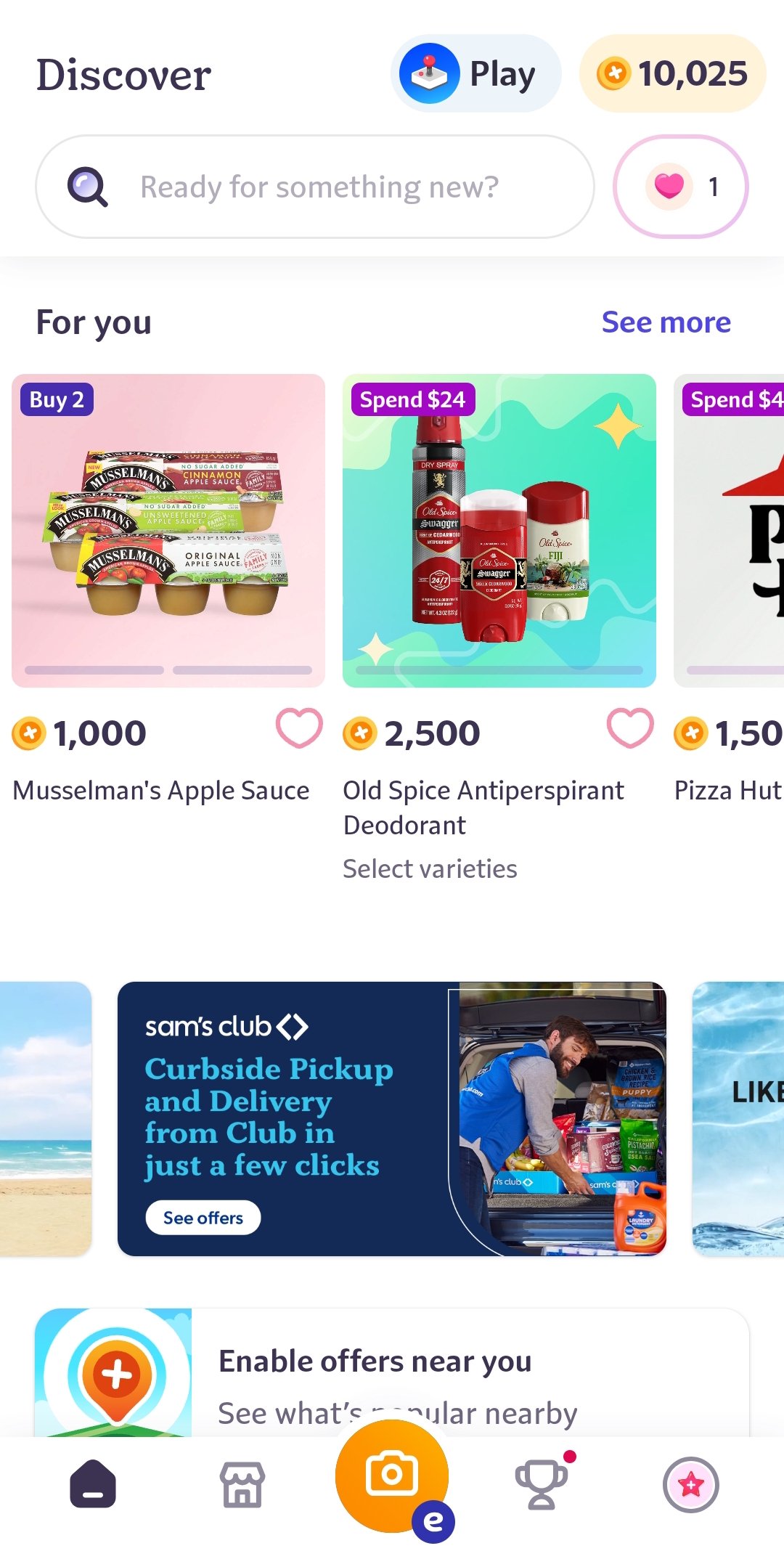


Quick Snapshot: My Real Results
Before we get into how they work, here’s the short version of what I earned:
| App | Time Used | My Earnings |
|---|---|---|
| Pogo | 2 months | $1.56 total (light use) |
| Fetch | Ongoing (casual) | 10,025 points ≈ $5–$10 |
Neither one is a side hustle replacement. But one fits much more comfortably as a low-risk bonus than the other.
How Pogo Works (According to My Test)
Full review: Pogo App Review: The Truth About Its “Passive Income” Promise
Pogo markets itself as a passive income app. The pitch is simple:
Link your accounts, let it read your purchase data, and earn points in the background. The more you give, the more you earn.
Here’s what Pogo actually asks you to do:
- Connect your bank account or credit card.
- Allow access to purchase history and sometimes location data.
- Complete small surveys, polls, or app installs.
- Try games or offers for bonus points.
You earn “points” that you can cash out once you reach 5,000 points = $5.
On paper, that doesn’t sound bad. In practice, it was a different story.
My Pogo Earnings: $1.56 in 2 Months
After syncing my bank account and letting Pogo collect data, my balance slowly crept up to $1.56.
Why I didn’t push it harder:
- Many game offers offered around 4,300 points ($4.30) but required heavy playtime within just 8 days.
- Big offers advertised “up to 303,000 points,” but the goals were unrealistic for normal use.
- “Passive” earnings from purchase tracking were literally a few cents a week.
So yes, Pogo technically pays. But for me, the time + data trade-off wasn’t worth the trickle of rewards.
The Privacy Trade-Off With Pogo
This is where Pogo really lost me.
To earn even decent rewards, you’re expected to hand over deep access to:
- Your bank transactions.
- Where and how you shop.
- Additional device data from messages for targeted marketing.
You can restrict some permissions, but when you do, the app basically stops being useful.
In other words:
You’re trading a dollar or two a month for a marketing platform to dig into your financial and personal life.
If you’re someone who doesn’t love the idea of apps pouring over your transaction history, that’s a big red flag.
How Fetch Rewards Works (Based on My Earnings)
Full review: Fetch Rewards Review 2025: The Truth About My Earnings
Fetch comes from a different angle. It doesn’t ask for your bank account. Instead, it focuses on receipts and linked shopping accounts.
Here’s how it works in real life:
- Scan paper receipts from everyday purchases (groceries, gas, convenience stores, etc.).
- Link Amazon or Walmart so Fetch can automatically scan your digital receipts.
- Earn extra points when your receipts include bonus brands or promos.
- Redeem points for gift cards, a Visa card, or occasional raffle entries.
I didn’t bother with the gaming section because, like with Pogo, the time sink vs. reward didn’t look worth it. There is one exception to this rule, and that’s when they offer extra points for a time period.
My Fetch Earnings: 10,025 Points
I’ve earned 10,025 points.
Based on your redemption choice, that’s roughly:
- Around $5–$10 in value.
- With a baseline of about 1,000 points = $1 (some gift cards stretch this slightly).
Is that life-changing? No. Is it a decent bonus for something I’m already doing (shopping)? Yes.
Boosting Fetch Without Making It a Job
What actually helps with Fetch is not grinding, it’s being consistent and smart:
- Scan receipts often so they’re not too old to count.
- Link Amazon and Walmart so you get points passively for digital purchases.
- Watch for multipliers and featured brands, sometimes certain items give big boosts.
- Use your referral code when friends or family sign up.
These tweaks don’t turn Fetch into a high-paying app, but they make the earnings feel steady instead of random.
Cashing Out: Fetch vs Pogo
Pogo Cash-Out
- Needs 5,000 points to cash out ($5).
- My pace: $1.56 in two months with light use.
- Would’ve taken a while to even test cash-out which I never reached.
Fetch Cash-Out
- Gift cards can start as low as about $3.
- Options include Amazon, Target, and a Visa card.
- Some redemptions are instant; others take 24–48 hours.
- Picking certain cards can stretch your points a bit more.
For reliability and flexibility, Fetch feels better here.
Earnings vs Privacy: The Real Difference
Let’s strip it down.
Pogo
- Earnings: low unless you go all-in with data and time.
- Privacy: highly invasive — wants bank data and device access.
- My results: $1.56 in 2 months.
Fetch
- Earnings: modest but predictable
- Privacy: much safer — only needs receipts and shopping accounts, not banking
- My results: 10,025 points = $5–$10
If you’re already cautious about data, this part alone might make the decision for you.
So… Which One Do I Recommend?
If I had to pick one for most people, it’s Fetch, and here’s why:
- It doesn’t need bank or credit card access.
- It gives real value for something you’re already doing, which is shopping.
- It doesn’t pretend to be a “passive income stream.” It’s a bonus tool, nothing more.
Pogo technically works, and for someone fully okay with data sharing and grinding offers, it might be worth using on the side.
But based on my actual results, I’d rather scan a few receipts with Fetch than trade deep financial data for $1.56 in two months with Pogo.
How I Personally Use Them
- Fetch stays on my phone as a “background app.” If I’ve got a receipt or I’m shopping at Amazon/Walmart, I let it quietly collect points.
- Pogo is in the “use only if you’re comfortable with data sharing and don’t expect much” category. So, for me, I’ve already uninstalled it.
If you want to go deeper into either one:
- Full Pogo breakdown: Pogo App Review: The Truth About Its “Passive Income” Promise
- Full Fetch breakdown: Fetch Rewards Review 2025: The Truth About My Earnings
FAQ: Fetch vs Pogo
Q: Which app pays more?
Fetch generally pays more in practical, day-to-day use. Pogo only pays higher amounts if you complete offers, play games, or share extensive financial data.
Q: Is Pogo legit?
Yes. It’s a legitimate rewards app, but most earnings come from sharing banking and transaction data, not which is invasive and less “passive income.”
Q: Is Fetch legit?
Yes. Fetch is one of the most established receipt-scanning apps and reliably pays out gift cards once you reach the required points.
Q: How much can you realistically earn?
With Fetch, steady users typically earn a few dollars every month in points.
With Pogo, most light users earn $1–$6 per month, depending on how much data they share and how many offers they complete.
Q: Is it safe to connect accounts to Pogo?
Pogo uses Plaid for bank syncing, but it does collect purchase data and behavioral information for marketing. Whether this feels “safe” depends on your comfort with data sharing.
Q: Does Fetch require a bank connection?
No. Fetch only needs receipt uploads or an optional Amazon/Walmart connection for digital receipts.
Q: Which app has faster cash-outs?
From my research, they appear to be relatively equal in cashout speed.
Q: Which app is better for beginners?
Fetch. It’s simple, safe, and consistent without needing to share banking or personal financial data.
Q: Should you use both apps?
You can. Fetch is a low-risk daily rewards app, while Pogo is only worth adding if you’re comfortable trading personal data for small payouts.